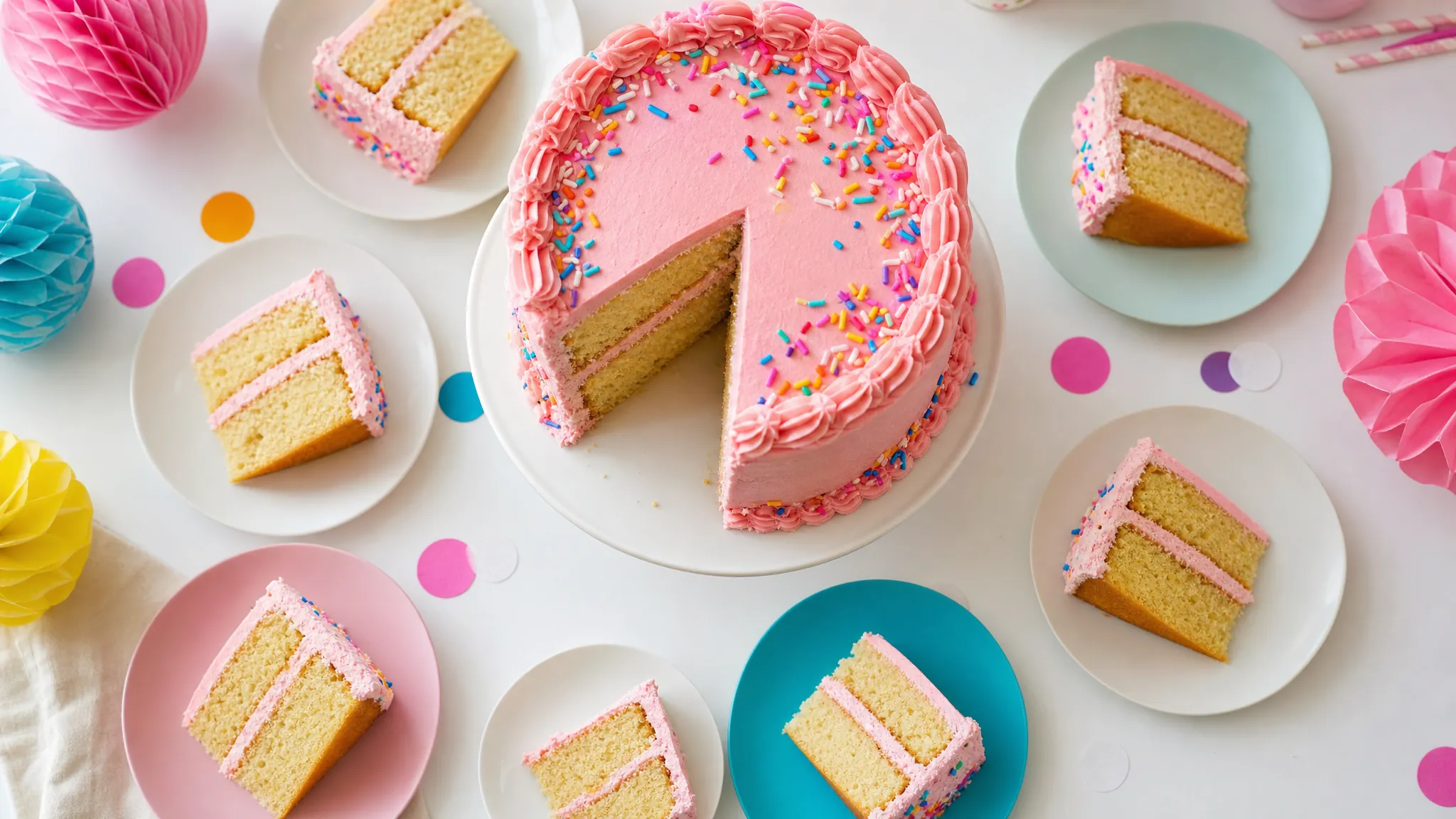
A cake serving chart is the fastest way to turn “we are inviting about 30 people” into a cake plan that actually works. The important part is not finding one magic number. It is matching the cake shape, the way it will be served, and the kind of party you are having. This guide uses the serving ranges Sarah-bration Cakes offers for custom celebration cakes, so you can start with a realistic fit instead of guessing from a photo.
Quick Cake Serving Chart
Start here, then read the notes below before making the final call. These ranges allow for the real-world difference between a neat party slice, a generous family slice, and a room where some guests may skip dessert.
| Cake style | Size | Serves about |
|---|---|---|
| Round cake | 6-inch | 10–12 |
| Round cake | 8-inch | 18–24 |
| Round cake | 10-inch | 28–34 |
| Sheet cake | 9×13 | 24–30 |
| Sheet cake | 12×18 | 50–60 |
| Tiered cake | 6-inch + 4-inch | 18–22+ |
| Tiered cake | 8-inch + 6-inch | 34–38+ |
| Tiered cake | 10-inch + 8-inch | 50–64+ |
1. Count Cake Eaters, Not Just Guests
Your invitation list is a starting point, not always the final serving number. At a child’s birthday party, most guests will expect cake. At a long evening event with a full dessert table, coffee bar, or late dinner, some people may pass. Think about children, dessert habits, and whether the cake is the main sweet moment or one option among many.
For a casual party where cake is the centerpiece, plan close to the total guest count. If you know you want leftovers for the next day, add a small cushion. For a wedding, shower, or large event with several desserts, the confirmed guest count can be a better guide because portions are often smaller. The goal is not to buy extra cake just because. It is to avoid the awkward moment where the person cutting the cake starts making slices thinner and thinner.
It also helps to separate the people you are hosting from the people you expect to serve. A toddler party might have 18 children plus parents, but only part of the adult group may take dessert. A birthday dinner for 16 may have every single guest ready for a generous slice. When you share your estimated headcount in an order request, include the kind of event as well. “Thirty guests after dinner with cookies, too” tells a much clearer story than “30 people.”
2. Round Cakes Work Beautifully for Small to Mid-Size Parties
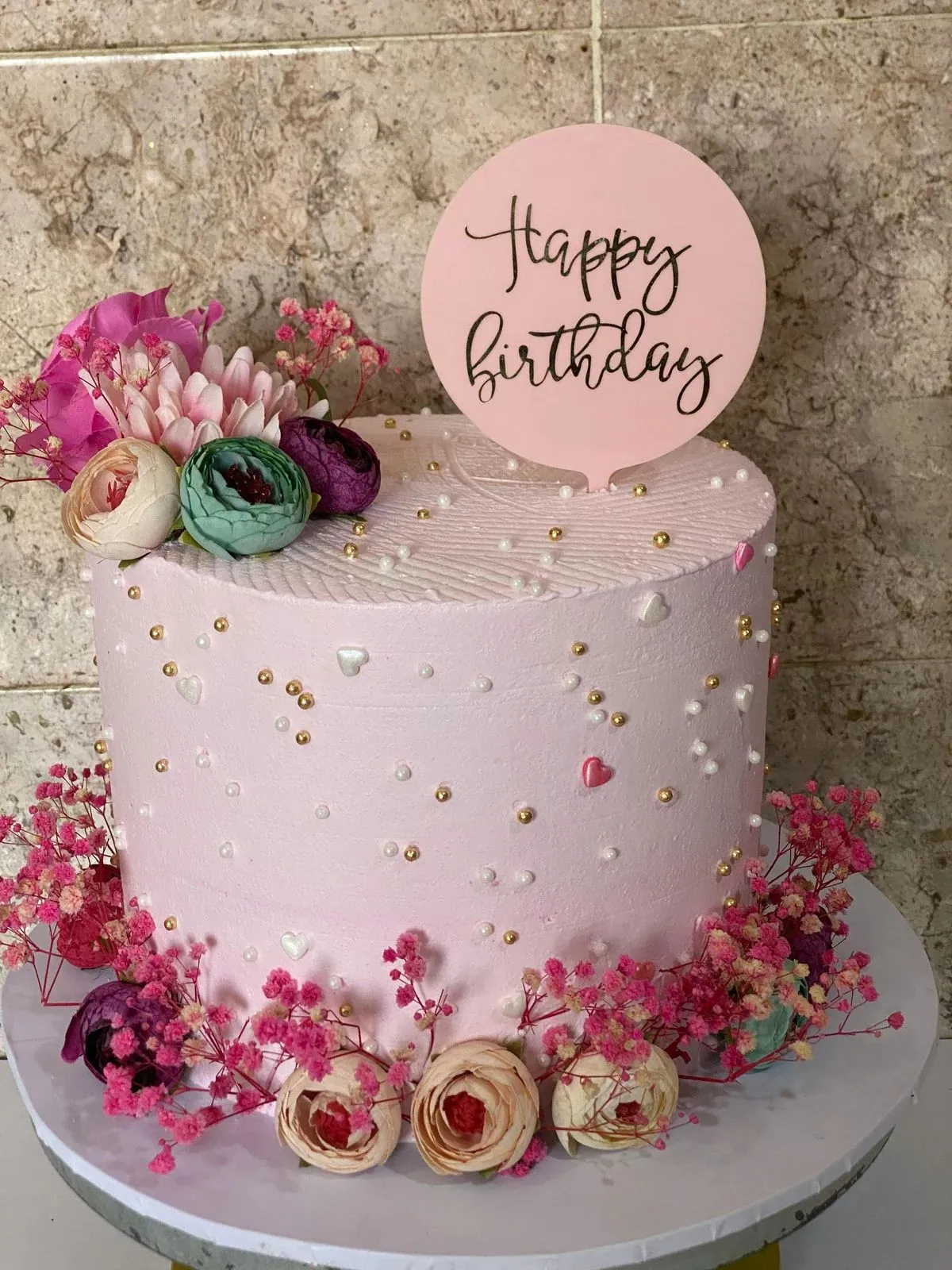
Round cakes are the classic choice when the celebration calls for one polished centerpiece. A 6-inch round is right for an intimate table of around 10 to 12 people. An 8-inch round serves about 18 to 24 and is one of the easiest choices for a birthday with a manageable guest list. A 10-inch round serves around 28 to 34, giving a larger group enough cake without moving to a sheet cake.
The appeal is not only the serving range. A round cake has a natural “occasion” feel, and it gives you room for custom color, piping, bows, fillings, and a design that belongs in the photos. When you are deciding between two round sizes, pick the larger one if the guest count is near the top of the smaller range or if you know your crowd loves dessert. You can see the available round cake sizes and details before you request a quote.
3. Choose a Sheet Cake When Serving Is the Priority
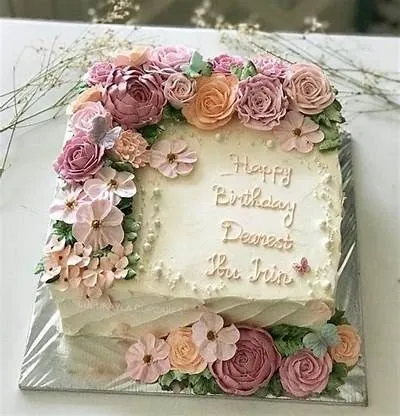
Sheet cakes are built for a bigger guest list and a simpler serving moment. Sarah-bration Cakes offers a 9×13 sheet cake that serves about 24 to 30 people and a 12×18 sheet cake that serves about 50 to 60. Both standard sizes include two cake layers, so the choice is not a compromise on the actual cake experience. It is simply a more efficient shape for feeding a room.
They are especially useful for classroom celebrations, work gatherings, graduation parties, family reunions, and birthdays where the guest count has a habit of creeping up. A rectangular cake also makes it much easier to portion evenly. The sheet cake options are a good place to start when you need a generous, easy-to-serve plan.
4. Go Tiered When You Need More Cake and More Presence
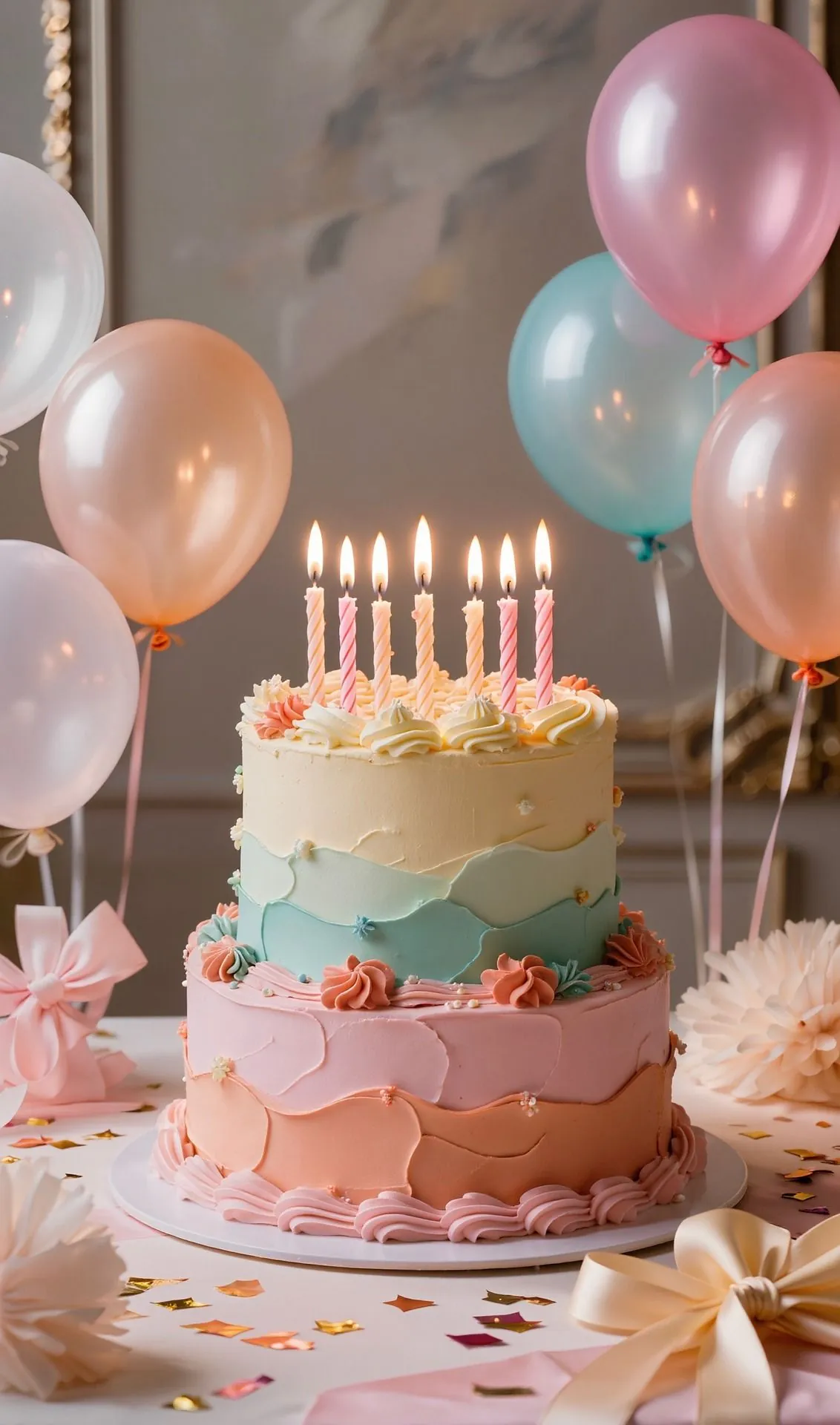
A tiered cake solves two problems at once: it increases the serving count and gives the table a stronger focal point. The 6-inch plus 4-inch option serves about 18 to 22 guests. An 8-inch plus 6-inch tier serves around 34 to 38, while a 10-inch plus 8-inch cake reaches approximately 50 to 64. Those ranges make tiers a practical choice for showers, milestone birthdays, quinceañeras, and any party where the cake deserves its own moment.
For weddings, servings depend on the design, the meal, and the way the cake will be cut. A smaller slice after dinner can go farther than a birthday-style slice, while a dessert-only reception may call for a more generous plan. Sarah can help translate your expected guest count, the rest of the dessert table, and your inspiration into a cake that looks right and gives guests enough to enjoy. The wedding cake page explains how to start that conversation.
5. Know What “One Serving” Looks Like
Serving charts are useful because they set a realistic expectation, but the finished number always depends on how the cake is cut. A casual birthday slice can be wider and more generous. A wedding-style slice is usually neater and smaller because guests have already had a meal and may be choosing between several desserts. Tall, layered cakes also make beautiful slices without needing to be cut overly wide.
That is why a cake does not have one fixed number of servings stamped on it forever. Two people can cut the same cake differently and get a different total. The range in this chart is more helpful than a single exact figure because it accounts for those choices. It gives you room to plan without promising that every party will serve cake in exactly the same way.
When someone else will be serving, a quick plan helps. Put out a cake server and a clean knife, decide whether slices should be modest or generous, and ask one person to take the lead rather than letting every guest “just grab a little piece.” For a large party, the practical choice is often the cake shape that is easiest to portion consistently.
6. Give Yourself a Little Room
Serving charts are estimates because parties are not math problems. A 20-person birthday can have 24 people by the time siblings, grandparents, and friends arrive. A group of enthusiastic kids can make “small slices” disappear fast. On the other hand, a dinner event with multiple desserts may leave plenty of cake behind even when you plan exactly to the headcount.
Use the lower end of a serving range only when the number of cake eaters is comfortably below it. Use the middle or high end when cake is the main dessert. Size up when you want leftovers, when the design needs a larger canvas, or when the party has an unpredictable guest list. It is a calmer decision than trying to hit an exact number.
As a reference point, widely used professional serving guides also stress that the number of portions changes with the pan shape and the way the cake is cut. Wilton’s cake baking and serving guide is useful when you are baking at home; for a custom cake, use the bakery’s own serving range because its layers, decoration, and finished design matter too.
7. A Few Fast Guest-Count Examples
Planning for 12 guests? A 6-inch round cake is a natural fit. It keeps the table feeling special without ordering far beyond what the group needs. If the guest list is closer to 15 or you want leftovers, move up to an 8-inch.
Planning for 20 guests? An 8-inch round cake is usually the sweet spot, serving about 18 to 24. It works especially well for birthdays, showers, and family celebrations where the cake is part of the main moment.
Planning for 30 guests? A 10-inch round cake or a 9×13 sheet cake both fit the range. Choose the round cake when the centerpiece look matters most. Choose the sheet cake when you want a little more ease at serving time.
Planning for 50 guests? A 12×18 sheet cake covers roughly 50 to 60 people. A 10-inch plus 8-inch tiered cake is the better visual choice when you want the same serving capacity with more height and presence.
These examples are a starting point, not a substitute for the details of your event. The date, the dessert table, the guest mix, and the design all help determine the most comfortable choice.
8. Pick the Cake Style After You Know the Size
Once the serving count is clear, choosing the fun part gets easier. A round cake feels classic and flexible. A heart cake brings a little extra personality to birthdays, anniversaries, and showers. A sheet cake makes a larger group simple to serve. A tiered cake makes a bigger statement. And a cake plus smash cake pair gives the birthday table its photo moment without asking the little one to share from the main cake.
Browse the full custom cake menu to compare styles, starting prices, and serving guidance. If the party date is set, share your guest count and any inspiration in the order request so Sarah can help confirm the best fit before anything is booked.
Ready To Plan It?
Bring the guest list.
Sarah brings the cake.
Share your date, your party size, and the kind of cake you have in mind. Sarah-bration Cakes typically needs five days’ lead time, so checking availability early gives you the most options.
Check AvailabilityFrequently Asked Questions
Still deciding?
How many people does an 8-inch cake serve?
At Sarah-bration Cakes, an 8-inch round cake serves about 18 to 24 people. It is a strong fit for a party of around 15 to 20 guests when cake is the only dessert or when you would rather have a little breathing room than run short.
How many people does a 9×13 sheet cake serve?
A 9×13 sheet cake from Sarah-bration Cakes serves about 24 to 30 people. It is a practical choice for a larger birthday party, office gathering, or family event where easy serving matters as much as the design.
Should I order extra cake for my party?
Usually, yes. Choose a size that covers your confirmed guest count plus a small cushion when cake is the main dessert, children are attending, or you want leftovers. A smaller cushion can work for a dessert-heavy event where not everyone will take a slice.
What cake size works for 50 guests?
For about 50 guests, a 12×18 sheet cake serves roughly 50 to 60 people. A 10-inch plus 8-inch tiered cake is another option, serving about 50 to 64 people while giving the celebration a more elevated centerpiece.